What boarding up is for
When glass breaks or a door is forced, the building is open. Rain gets in, heat goes out and anyone can reach through or climb in. Boarding closes that gap quickly with something solid, so the property can be locked and left.
It is not a repair. It buys time for the right glass to be made or for a door and frame to be put right. Toughened glass and double glazed units are made to order and cannot be trimmed to fit at the kerbside, so a board is often the only way to secure an opening on the day.
A board also makes the place safe for the people using it. Cracked and hanging glass is dealt with as part of the job, and what is left ends up behind timber instead of over a pavement or a child's bedroom floor.
How a board is fitted
The work starts with making the opening safe. Loose and hanging pieces of glass are taken out of the frame, and the glass on the ground inside and outside is swept up.
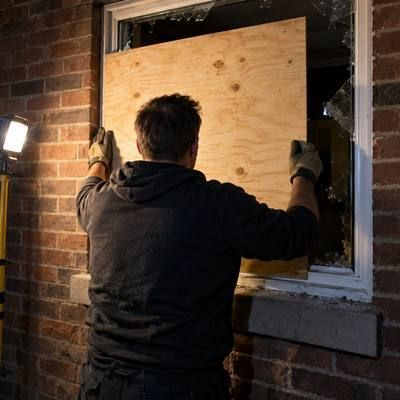
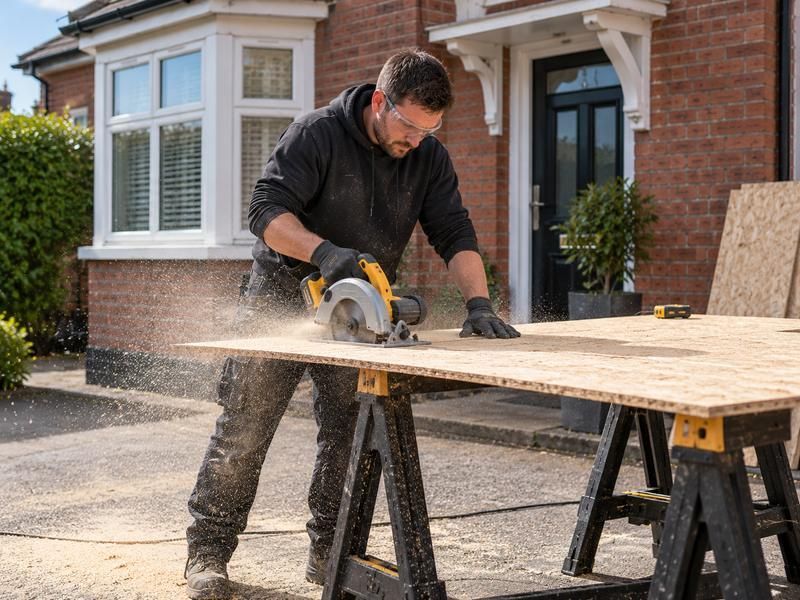
The opening is then measured, and sheet timber is cut on site to suit it. Cutting at the property matters because no two openings are quite the same, and a board that fits closely is harder to lever off and better at keeping weather out.
How the board is fixed depends on what it is being fixed to. Timber frames, plastic frames, metal shopfronts and brick or stone surrounds each call for a different approach, and the aim is always a firm fixing that does as little harm as possible to whatever is being kept. If you are worried about a particular frame, send us a photo and we will tell you how we would go about it.
Before leaving, the fitter checks the board is tight, clears up and takes the broken glass away. We photograph the damage and the finished job, and those pictures go with your itemised invoice. The steps are set out on our emergency boarding up page.
Need an opening boarded?
Send a photo and your postcode on WhatsApp or call us, day or night. We quote before any work starts.
Windows, doors and shopfronts
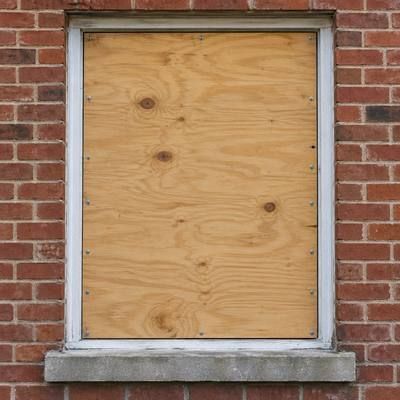
A house window is the simplest case. One board usually covers the broken pane or the whole sash, and upstairs windows are reached by ladder. See window boarding for more on sizes and access.
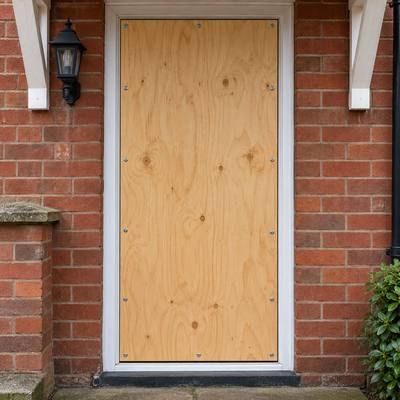
Doors need more thought, because people still have to get in and out. Sometimes only a broken glass panel is covered and the door carries on working. Where the door or frame has been forced and will not lock, the boarding has to secure the doorway itself. Our door boarding page goes through the options.
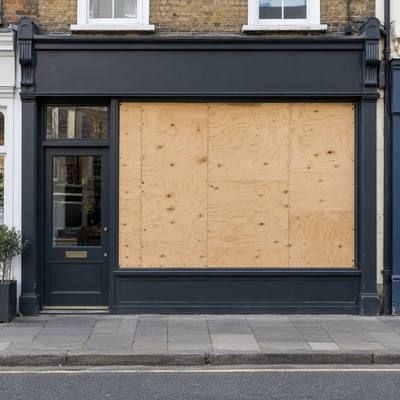
Shopfronts are larger again. A single pane can be wider than one sheet of timber, so several boards are joined across the opening and supported so they do not flex. This is normally a job for two people. Shopfront boarding explains how a wide front is closed so you can lock up.
How long a board can stay up
There is no single answer, because it depends on why the board is there. For most breakages it stays until the new glass has been made and fitted. For a damaged door it stays until the door and frame are repaired or replaced.
Sheet timber is a sound temporary cover, but it lives outdoors. Over a longer spell it weathers, and fixings can work loose with wind and with people leaning or pulling on them. A board that will be up for more than a short while should be looked at from time to time, and after any attempt to tamper with it.
Other people may have a say in how long is acceptable. Insurers, landlords and managing agents can all have conditions about damaged or unoccupied buildings, so check your policy or agreement if a repair is going to be delayed. Do not assume a boarded opening counts as repaired for anyone's purposes.
If a building is going to stand empty for some time, that is a different job from an emergency board. It is planned across the whole property and is covered under vacant property boarding.
Living or trading behind a board
The obvious change is light. A boarded room is dark, and a boarded shopfront hides your stock and can make the premises look shut. Businesses often put a clear notice on the door saying they are open as usual.
A boarded window cannot be opened, so think about ventilation and, above all, escape. If that window or door was your way out in a fire, make sure everyone knows the other route and keep it clear.
A board keeps out most of the weather, but it does not insulate the way glazing does. Expect the room to be colder and a little noisier until the glass is back in. Closing the door to that room and drawing a curtain across the board both help in the meantime.
From board to finished repair
The same visit that secures the opening is used to plan the repair. Glass that must be made to size is measured there and then, and fitted on a return visit when it is ready. The same team boards up and glazes, so you are not passing details from one firm to another.
When the glass arrives, the board comes off, the frame is cleaned out and the new pane or unit goes in. If the fixings have marked the frame, ask how those marks will be dealt with before the fitter leaves.
Tell your insurer promptly if you plan to claim, and keep the photos and invoices from both visits. Policies differ on emergency work and on the permanent repair, so read yours instead of relying on what a neighbour was told.