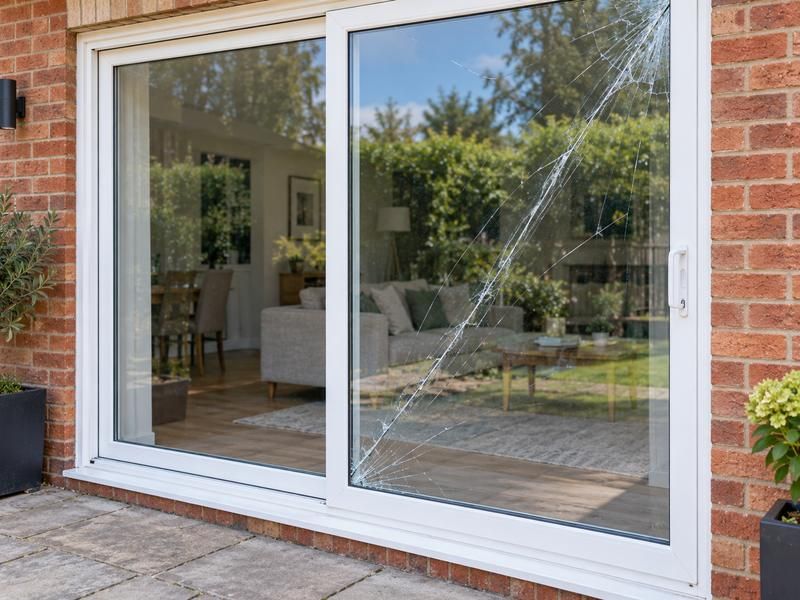
Why there is no single answer
Two neighbours with the same cracked pane can get different answers from their insurers. One policy may include glass as standard, another may offer it as an extra, and a third may leave it out. The cause of the break, the kind of building and who is responsible for it all come into play.
That is why this guide does not tell you what your insurer will do. It cannot, and neither can a glazier. What it can do is show you where to look in your documents, what questions to put to your insurer and how to keep the kind of record that makes any conversation with them simpler.
Which policy to look at first
Windows and doors are part of the structure, so in a home you own the buildings policy is the usual starting point. A contents policy deals with your belongings, though it is worth reading if things inside were damaged by the break or by rain coming in afterwards.
If you rent, the building is normally insured by whoever owns it. Tell your landlord or letting agent about the damage as soon as you can, and check your tenancy agreement for what it says about breakages. Leaseholders in flats should ask the managing agent or freeholder, since the building is often insured as a whole.
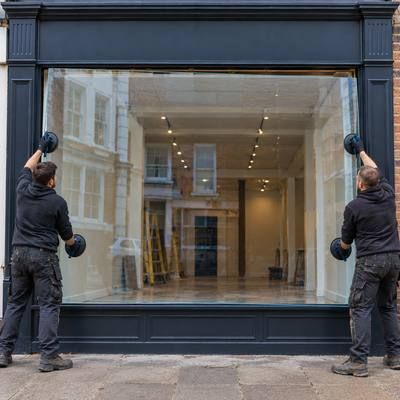
Businesses usually have a commercial policy, and glass is sometimes dealt with in its own section. Your lease may also say whether you or the landlord looks after the shopfront. Both documents are worth reading before you order shopfront glass replacement.
Need the opening made safe first?
Send a photo and your postcode, or call at any hour. You get a quote before work starts and photos and an itemised invoice afterwards.
What to look for in the wording
Start with how the damage happened. Policies tend to list the events they deal with, such as storm, fire, theft or attempted theft and malicious damage. A ball through the window or a ladder slipping is usually talked about as accidental damage, which some policies include, some sell as an optional extra and some leave out. Find the section that matches your situation and read it in full.
Next, look for the excess. This is the part of a claim you pay yourself, and it is set out in your schedule. Put it beside the quote for the repair so you can see how the two compare. Whether to claim is your decision, and it is reasonable to ask your insurer how a claim might affect your renewal before you make it.
Then read the exclusions and conditions. Faults that build up slowly, such as a sealed unit misting because its seal has worn out, are often treated differently from sudden damage. Empty buildings and homes left unoccupied can have their own conditions too. If any of it is unclear, ask your insurer to explain it and note down what they say.
What to do in the first hour
Safety comes before paperwork. Keep children and pets out of the room, put on shoes and thick gloves before going near the glass and do not lean on a pane that is cracked but still standing.
Before anything is moved, take photos. Get the whole window or door, a closer view of the break, the glass on the floor and anything inside that was hit. If a stone, brick or other object came through, photograph it where it landed.
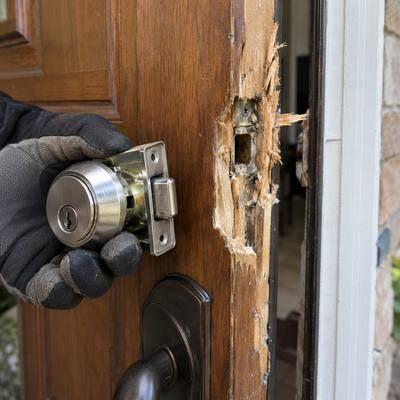
If the damage was deliberate or someone has broken in, report it to the police and ask for a crime reference number. Insurers commonly ask for one. Our guide on how to secure a property after a break-in covers that situation step by step, and our burglary repairs page explains how forced doors, frames and locks are put right.
Then ring your insurer. Many have a claims line that is open out of hours. Tell them what has happened and ask two things: whether you may arrange your own emergency work, and whether they want to approve the permanent repair or use their own contractor.
Making the property safe while you wait
An open window or door cannot wait for a claim to be settled. Policies generally expect you to take sensible steps to stop further loss, and closing up a broken opening is the obvious one. Check what your own policy says about emergency or temporary repairs, and keep the receipt.
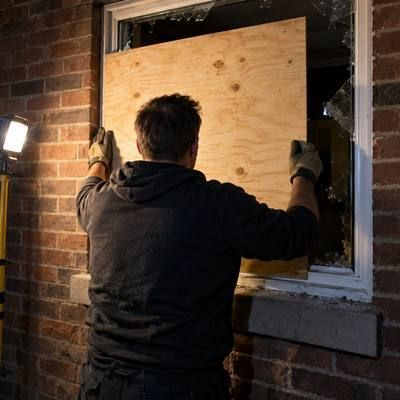
Emergency boarding up closes the gap so the building is secure and dry while you talk to your insurer. It also gives you time to get the permanent repair agreed properly, without a hole in the wall forcing the pace.
If your insurer is happy for you to go ahead, emergency glazing follows. Glass that is made to size is measured on the first visit and fitted on a return visit, so there is a natural pause in which to confirm things with your insurer.
Records worth keeping
Put everything in one folder, on paper or on your phone. That means the photos of the damage, photos of the finished repair, the quote, the invoice and any crime reference number. An itemised invoice is more useful than a single total, because it shows what was done and what each part of the job was for.
Keep a short note of each call with your insurer as well: the day, who you spoke to, what they asked for and any claim reference they gave you. If they send forms, copy them before you post them back.
Broken glass is cleared and taken away for safety, so it will not be there for anyone to inspect later. That is the reason the early photos matter so much. If your insurer wants something kept, such as a damaged lock or the object that broke the pane, ask them before it goes in the bin.
How we help with the paperwork
We give you a quote before work starts, which you can pass to your insurer if they want to see it first. We photograph the damage when we arrive and the job when it is finished, and you get those pictures along with an itemised invoice.
We do not decide claims and we cannot tell you what your insurer will say. What we can do is make the building secure, replace the glass and hand you a clear record of both. If you are unsure what kind of glass or repair you are dealing with, send us a photo and we will tell you, so you can describe it accurately when you call your insurer.