The short answer is usually yes
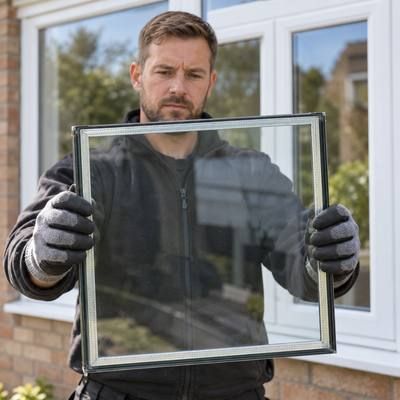
A double glazed window is not one solid piece. The frame is fixed to the wall, and the glass sits inside it as a sealed unit: two panes joined around the edge with a gap between them. That unit can be lifted out and a new one put in its place.
So if the glass has misted between the panes, cracked or been smashed, you are normally looking at double glazed unit replacement and not a new window. The same goes for uPVC, timber and aluminium frames, although each one holds the glass in a slightly different way.
People are often told a failed unit means the whole window is finished. That is seldom the case. If the frame opens, shuts, locks and keeps the weather out, it has plenty of life left and only the glass needs attention.
How the glass is held in the frame
On most modern windows the unit is held by glazing beads. These are the slim strips that run around the edge of the glass, on the room side or the outside depending on the window. They clip or pin into the frame and press the unit against a rubber gasket or a line of sealant.
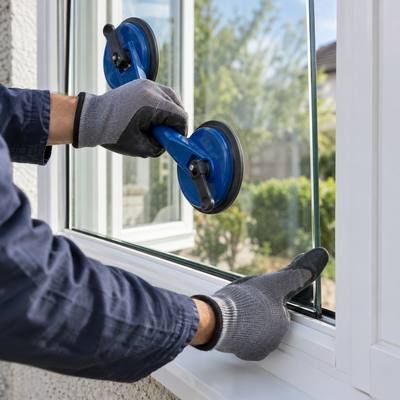
To change the unit, the beads are eased off one at a time and set aside in order. The old unit is lifted out, and the rebate it sat in is cleaned of loose glass and old packing. Small plastic packers then go back in so the new unit sits square and its weight is carried in the right places. On an opening window or a door, that packing also helps stop the sash dropping on its hinges.
The new unit is set in, the beads go back in the same order and the gaskets are pressed home. Done with care, you should struggle to tell the frame was ever touched. Older timber windows that hold a single sheet of glass in putty are a different job, which we cover under broken window repair.
Not sure if it is the glass or the frame?
Message us a photo of the whole window with your postcode. We will say what we think needs changing and quote before anything is booked.
Signs the glass is the problem
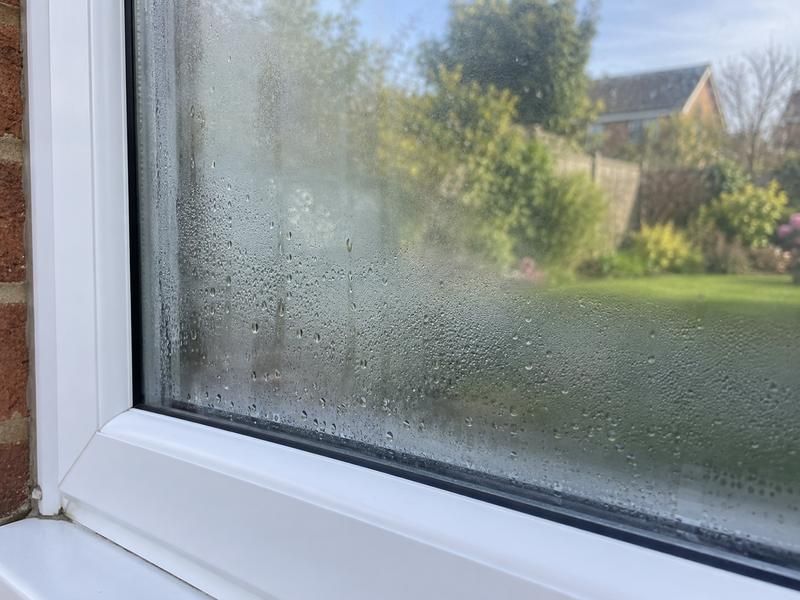
Mist, droplets or a milky film between the two panes is the most common sign. It means the seal around the edge of the unit has failed and damp air is getting into the gap. No amount of cleaning will shift it, because it is on the faces you cannot reach.
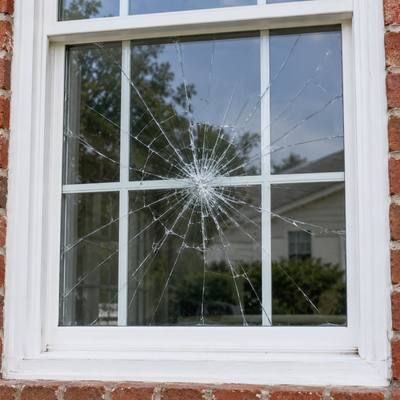
A crack is the other obvious one. Cracks can come from a knock, a stone from a mower, a slammed window or stress in the glass. Even a small crack tends to grow, and a cracked unit has lost its seal as well, so it is worth sorting out before the pane gives way. Do not lean on it or press it to see how bad it is.
If the glass has gone altogether and the room is open to the weather, that is a job for emergency glazing. The opening is made secure first and the new unit follows once it has been made.
Signs the frame is the problem
Sometimes the glass is fine and the trouble sits in the frame, or both have suffered. A new unit will not cure a draught that comes from a perished gasket, a window that has dropped and catches when you close it, or a handle that no longer pulls the sash tight. Those are hardware and seal faults, and many of them can be put right without a new window either.
A frame is harder to save when the material itself has failed. Look for timber that is soft when pressed, joints that have opened up, uPVC that has cracked or bowed, or a frame that has been split around the lock in a break-in. Water staining on the wall below the window is also worth a closer look, since it can mean rain is getting past the frame and not the glass.
If you are not sure which it is, take a photo of the whole window and a close one of anything that looks wrong. Send us a photo and we will tell you whether the frame looks fit to take a new unit.
What gets measured and matched
Sealed units cannot be trimmed or cut once they are made, so the measuring matters. The glazier takes the width and height of the glass and the overall thickness of the unit, since the new one has to sit in the same rebate under the same beads.
Then there is the look of it. Patterned or obscure glass in a bathroom, a tint, lead or bars inside the unit and the colour of the spacer around the edge are all noted, so the new pane does not stand out from its neighbours. Many units also carry an energy saving coating on one face, and the replacement is ordered to suit.
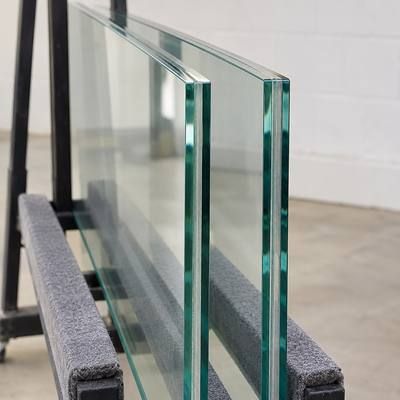
Position matters too. Safety glass is expected in doors and in glazing close to the floor, so a unit in one of those spots is ordered in toughened or laminated glass. Our page on toughened and laminated safety glass explains the difference, and the guide on which of the two you need goes into more detail.
What to expect from the two visits
Because the unit is made to order, the work comes in two parts. On the first visit the window is measured and, if the glass is broken, the pieces are cleared and the gap is covered with a board. A misted unit that is still in one piece can simply stay where it is until its replacement is ready.
On the second visit the old unit comes out and the new one goes in. For an ordinary window that you can reach without special access, the swap itself is a tidy, self-contained job. Furniture near the window is best moved back beforehand, and blinds or curtains taken down if they hang close to the glass.
You will have a quote before any of this is booked. A picture of the window and your postcode is normally enough for us to work one out. If several units around the house have misted, mention them all at the start so they can be measured on one visit.